
19 August 2026 Maybe the message doesn’t matter
At the end of every creative brief is a box for the proposition. This has long been held up as the most important part; the single-minded message. The proposition is what we ask creative teams to dramatise, what we assess concepts against, and often what we test for.
But what if we’ve got it completely wrong?
Perhaps, the message doesn’t matter. And advertising’s role is not to deliver explicit takeaways, but instead to build associations.
We know most ads are processed implicitly. Especially when people are not in-market (which is most of the time). Consumers go about their life, stressing about mortgages and picking their kids up on time. They’re not leaning into ads, or seeking information about brands.
At the top of the funnel, advertising’s job is to build familiarity and category associations. James Hurman calls it building future demand. Because when people come into category, they need a brand. The brand that comes to mind first is the brand they’re a little more likely to pick up off the shelf. Or Google. Then buy.
Unless you’re talking to warm leads who ready to convert, the role of advertising is not to persuade. When the ask of an ad is to deliver a message, or drive purchase intent, we’re asking it to fail.
Bob Hoffman says every brief only needs three words: “Make us famous”. But fame for the sake of fame is less useful, we perhaps need to add: “for a Category Entry Point” on the end of it.
Which is a fancy term for occasions. Category Entry Points are the building blocks of mental availability – the trigger that brings someone into category.
Ehrenberg-Bass Institution has demonstrated brands who own more associations with occasions are bigger than those who don’t. Don’t tell people how good you are, tell them what you’re good for.
This, necessarily, moves us away from arm-twisting conscious persuasion and toward work that is memorable. Or, god forbid, even entertaining.
Paul Feldwick calls messaging a myth, and suggests the industry has forgotten how to do showmanship. Long before that David Ogilvy said you can’t bore people into buying your product.
Maybe it’s time we stop trying to do it through messaging. And instead make something a little more likely to be remembered.
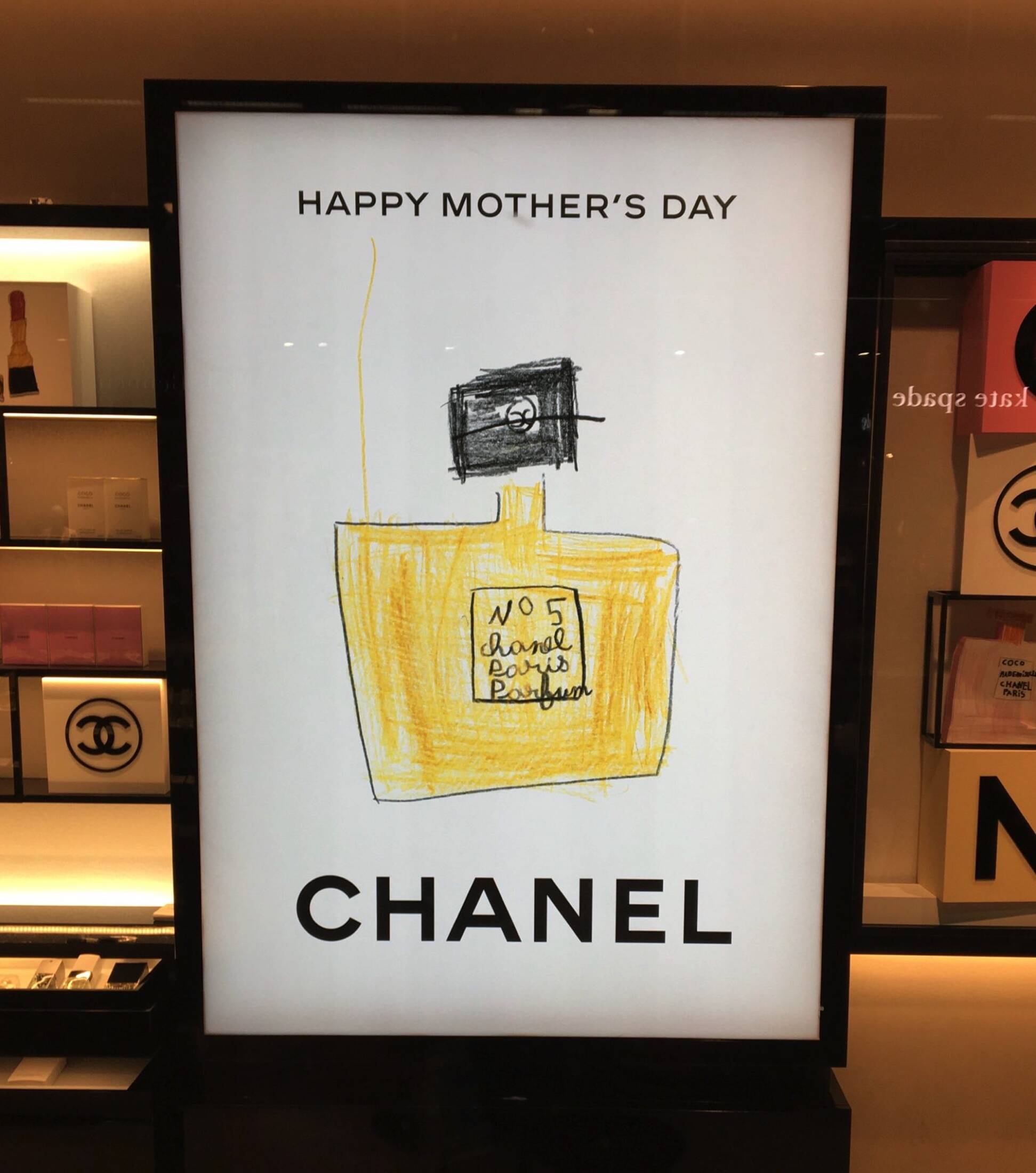
Like this work from Chanel which just builds associations with Mother’s Day.
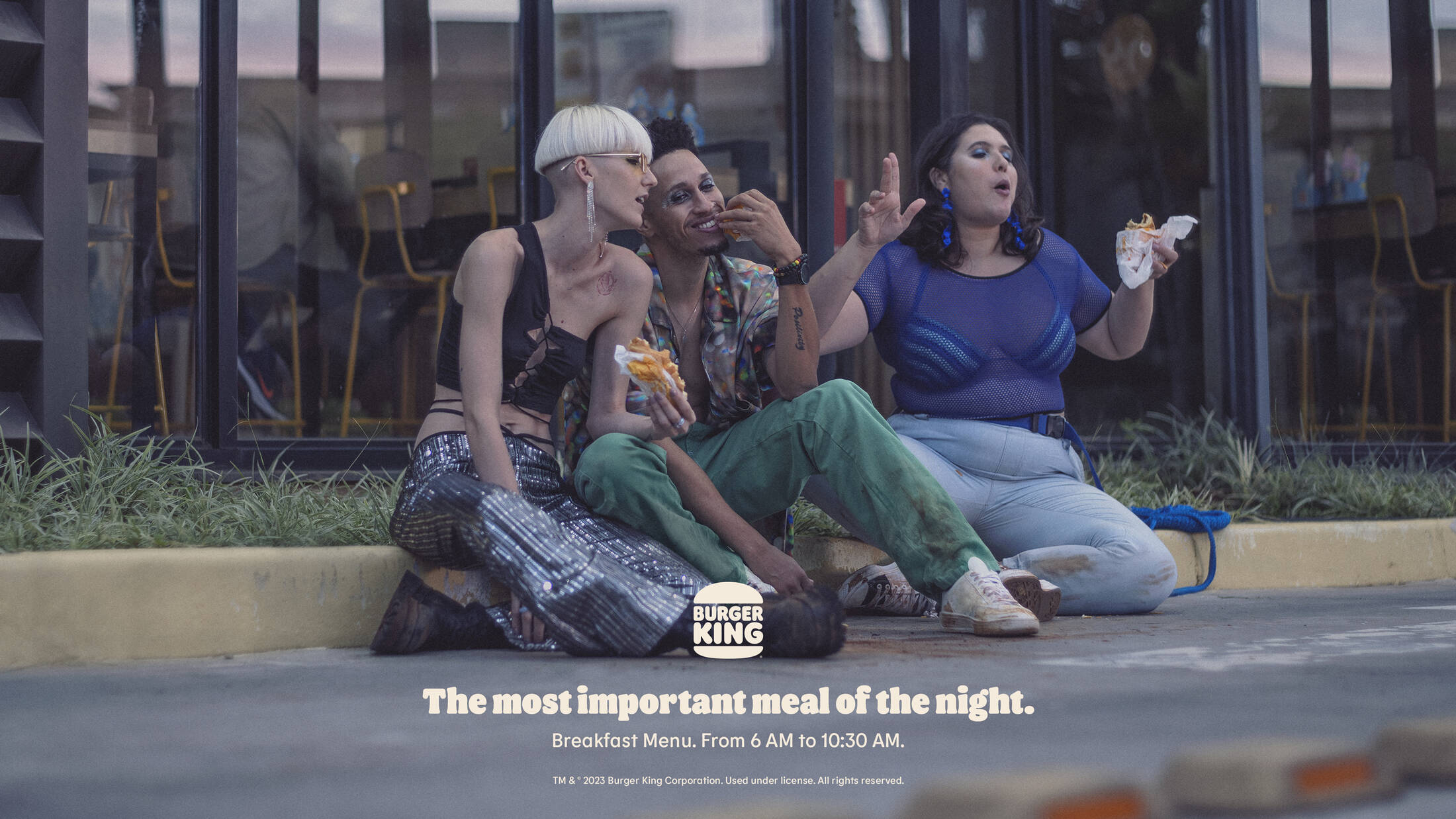
Or this work from Burger King which just builds associations with after a big night.
Or this work from J.C. Le Roux which just builds associations with little moments of celebration.

Killing the message won’t be easy.
Marketers and their agencies will need to change their approach to research – investing more heavily in mapping category entry points, and understanding where a brand has equity and where there are opportunities for growth.
We also need to revisit how we test and measure ad effectiveness – prioritising communications’ ability build the right associations and be remembered, rather than clarity of message outtake or intent to take action.
Because advertising doesn’t work when people remember the message. It works when people remember the brand when they later need one.
So throw out your creative brief template. Stop briefing what consumers should think, and start briefing when they should think of you. Maybe the occasion is the only message that matters.
Zac Martin is a Group Planning Director at TBWA\Melbourne. This article was originally published on Little Black Book.
No Comments